What FPGA means for cartridge play
Treat cartridge compatibility as the first buying filter. Super Nt+ targets SNES-era ownership, while Mega Sg+ addresses a different Sega-focused collection; adapters and regional variations can change the real cost. FPGA hardware recreation and software emulation take different technical paths, but neither excuses weak controller support or poorly maintained media. If you already own a CRT and original hardware, an expensive new box might solve a problem you do not have. Match the console to your actual cartridges and display.
Common platforms and hardware trade-offs
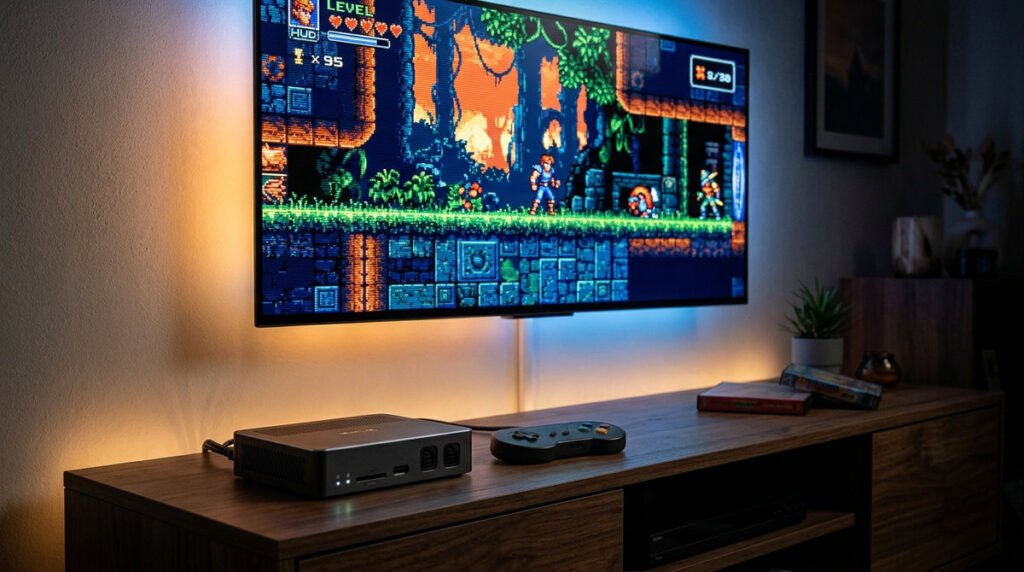
An FPGA recreation can reproduce aspects of older console circuitry in configurable hardware rather than running a conventional software emulator. For collectors, the value is often simpler connection to a modern television and support for the original cartridge library. That is not proof that every device performs identically; compatibility, controller inputs and special game chips need model-specific checks. Analogue’s Super Nt+ and Mega Sg+ target different cartridge ecosystems, so neither is a universal answer to “best retro console.”
Picking a setup around the games you own
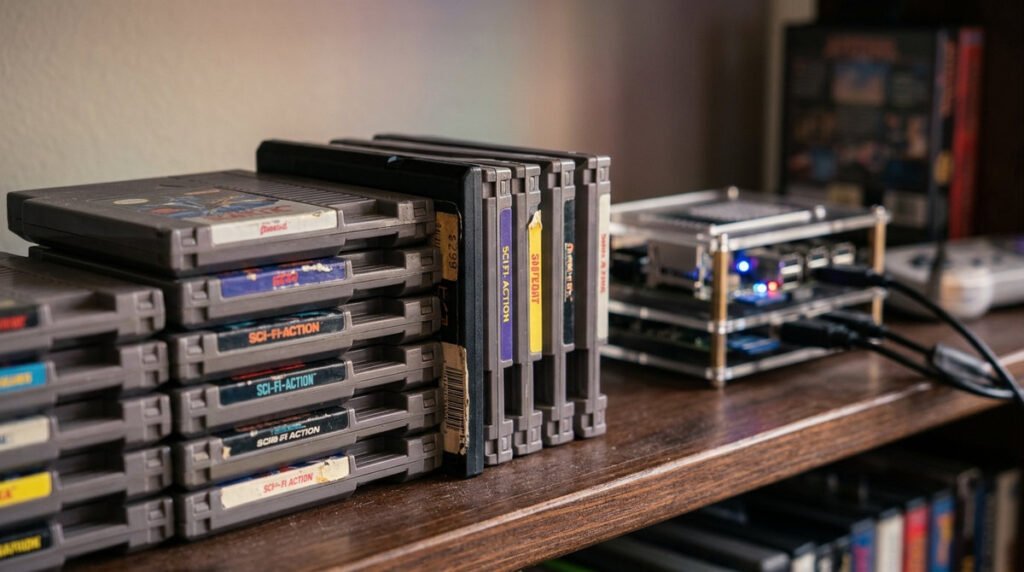
Start with the shelves you already own: SNES games suggest one type of hardware, Sega cartridges another, and a mixed collection may need several systems or compatible adapters. Check the practical total: console, controller, video cable, game cartridges, shipping and repair options. If you use a CRT and original hardware, an FPGA box might add convenience but not necessary playability. Avoid devices advertised with huge unauthorized ROM libraries; the presence of downloadable files is not proof of a license.
FPGA console selection checklist
- Why FPGA appeals: Dedicated programmable hardware can reproduce a console’s functional behavior.
- Original media support: A system that accepts cartridges is useful only if your collection is supported.
- SNES choices: Systems such as Super Nt+ target a specific cartridge library.
- Sega choices: Mega Sg+ takes a different cartridge and controller ecosystem.
- Multi-system alternatives: Adapter packs and open platforms involve tradeoffs and setup complexity.
- TV compatibility: Check resolutions, scaling and capture-device behavior.
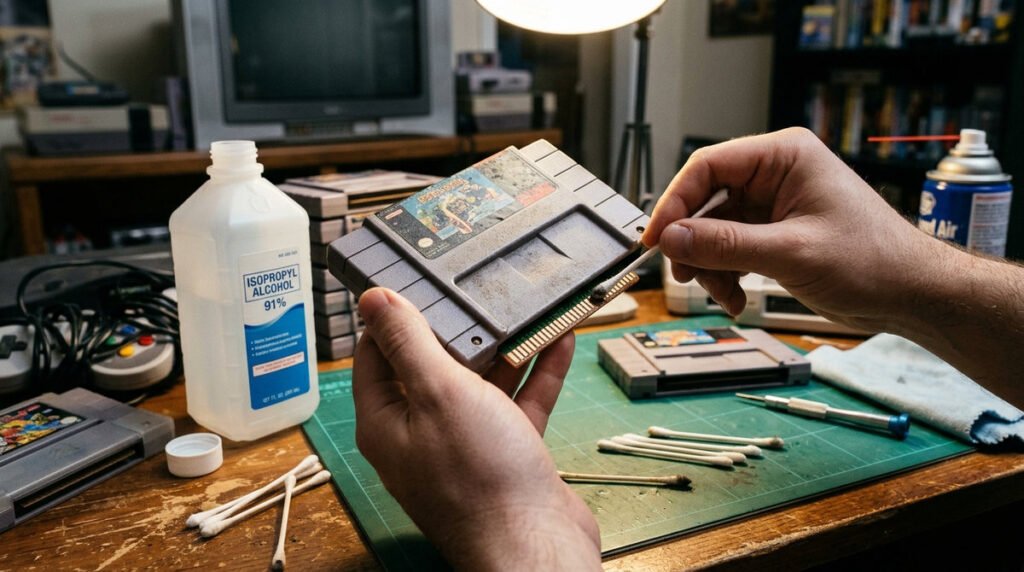
- Accessories and repairs: Older controllers and cartridges still need care.
- How to choose: Start with your actual library instead of trying to buy every supported platform.